Whether native cigarettes are legal in Canada is one of the most searched questions in this space, and the honest answer is: it depends on the context. Cigarettes manufactured on First Nations land and sold in Canada operate under a distinct legal framework — federal tobacco law, provincial tobacco-tax legislation, and the constitutional rights of First Nations communities all play a role. This article walks through that framework clearly, notes where the picture varies by province, and explains what it means when you buy native cigarettes online today.
This article is general information, not legal advice. Laws and regulations change; always check the relevant Government of Canada and provincial sources for current rules that apply to you.
Quick answer
- Manufacturing native cigarettes on First Nations land by licensed producers is legal under federal law.
- On-reserve sales to First Nations members are generally not subject to the same provincial tobacco taxes as off-reserve sales, but the rules vary.
- Off-reserve sales — including online orders shipped to non-Indigenous customers — occupy a more nuanced space: the cigarettes are manufactured legally, but provincial tobacco tax obligations may or may not be fully settled depending on the province and the seller’s tax-compliance status.
- Buying and possessing cigarettes as an adult consumer is legal across Canada. The legal questions mostly sit with sellers, not buyers.
- Rules can and do change. Check official sources for your province.
What “native cigarettes” actually means
Native cigarettes are cigarettes manufactured by Indigenous-owned businesses on First Nations reserve land in Canada. They are made with the same basic tobacco leaf, paper, and filter as any other cigarette. The distinction is in where they are made, who makes them, and how they are taxed — not in the product itself.
At Smokeway, our cigarettes are manufactured factory-direct on First Nations land and shipped across Canada. Brands like Canadian, Canadian Classics, and Putter’s all come from that same source. They are not counterfeit products, not contraband in the common sense, and not produced in some grey warehouse. They are manufactured products from a licensed factory on reserve land.
Federal tobacco law: what it covers
At the federal level, two pieces of legislation govern tobacco in Canada.
The Tobacco and Vaping Products Act (TVPA) — formerly the Tobacco Act — sets rules for health warnings, packaging, advertising restrictions, and the minimum legal age to purchase tobacco. It applies to all tobacco products sold in Canada, including those manufactured on-reserve. Producers must follow TVPA labelling and packaging rules regardless of where the cigarettes are made.
The Excise Act, 2001 governs the federal excise duty on tobacco. Every cigarette legally sold in Canada, whether from a multinational manufacturer or a First Nations factory, is subject to federal excise duty. Licensed tobacco manufacturers on reserve land pay this duty on cigarettes intended for sale off-reserve or to non-status buyers. Where exemptions historically applied — for example, on sales to status First Nations members on-reserve — those are defined by specific provisions under the Indian Act and provincial agreements, not a blanket exemption for all native cigarettes in all circumstances.
The practical upshot: federally, manufacturing native cigarettes is legal for licensed producers. Federal tobacco regulations apply to them. The more complicated picture emerges at the provincial level.
Provincial tobacco tax: where the complexity comes from
Most of the legal debate around native cigarettes centres not on the legality of the product itself, but on provincial tobacco tax. Each province imposes its own tobacco tax on cigarettes sold within its borders. When a major tobacco company sells cigarettes at a gas station in Ontario, the retailer collects and remits that provincial tax. The high retail price you see — $15 to $20 per pack — reflects a significant stack of federal excise duty plus provincial tobacco tax.
First Nations communities have a constitutionally protected right to self-governance, and provincial laws of general application do not automatically apply on-reserve in the same way they do off-reserve. Sales made on-reserve to First Nations members have historically been exempt from provincial tobacco tax under the Indian Act.
Sales made off-reserve to non-Indigenous buyers are generally subject to provincial tobacco tax. Whether every native cigarette seller has fully complied with those obligations has been the subject of ongoing enforcement actions and court cases in several provinces. That is where the “is it legal?” question gets complicated — not because the product is illegal, but because the tax-compliance status of individual sellers varies.
As a buyer, you are not the one responsible for remitting tobacco tax. Possession of cigarettes by an adult consumer is not an offence under any Canadian provincial law. The enforcement risk, where it exists, sits with sellers, not buyers.
On-reserve vs off-reserve: a key distinction
Understanding the difference between on-reserve and off-reserve sales helps cut through a lot of the confusion.
| Context | Tax situation (general) | Notes |
|---|---|---|
| On-reserve sale to a First Nations member | Provincial tobacco tax exemption may apply | Governed by Indian Act, provincial agreements; varies by province |
| On-reserve sale to a non-Indigenous buyer | Provincial tobacco tax generally applies | Tax must be collected and remitted; rules differ by province |
| Off-reserve sale (including online delivery) | Federal excise duty and provincial tobacco tax generally apply | Compliance with provincial tax law is the seller’s responsibility |
| Manufactured on-reserve, sold off-reserve | Federal excise duty paid; provincial tax obligations apply | Licensed manufacturers must comply with TVPA and Excise Act |
The category “native cigarettes sold online to customers across Canada” falls into the off-reserve column. The cigarettes are manufactured on First Nations land — that is a fact about their origin, not a tax exemption for the end customer.
Buying native cigarettes online: what to know
Buying cigarettes online in Canada is not illegal for adult consumers. Online tobacco sales are regulated in most provinces primarily through age-verification requirements and restrictions on advertising, not through outright bans on purchase. The TVPA and most provincial tobacco-control acts do not prohibit a consumer from ordering cigarettes online and receiving them by mail or courier.
What varies by province is whether online sellers are required to hold a provincial tobacco retailer’s licence and whether they are registered to collect and remit provincial tobacco tax on sales into that province. A well-run native cigarette operation — one that wants to operate with long-term stability — will work toward compliance with applicable federal and provincial requirements. The operators who create risk for consumers are those operating entirely outside any regulatory framework.
When you order from us, your cigarettes ship across Canada via Canada Post, UPS, or Purolator. You can browse the full range at our cigarette catalogue, and our delivery page covers how orders reach every province.
Province-by-province notes (general information only)
The table below summarises the general picture across Canadian provinces. This is general information, not legal advice. Provincial tobacco laws change regularly. Check the official provincial source for current rules in your province.
| Province / Territory | Minimum age | Online tobacco sales: general notes | Official source (check for current rules) |
|---|---|---|---|
| Ontario | 19 | Tobacco retailers must be registered; provincial tobacco tax applies to off-reserve sales; enforcement against unregistered sellers has been active. Buyer possession is not an offence. | ontario.ca/laws/statute/17s26 |
| British Columbia | 19 | Tobacco tax applies; BC has pursued enforcement against untaxed tobacco. Retail sales licence required for sellers. No specific ban on online purchase by consumers. | gov.bc.ca (search Tobacco Tax Act) |
| Alberta | 18 | Tobacco tax applies; Alberta requires tobacco dealers to be registered. Possession by adult consumers is lawful. | alberta.ca (search Tobacco Tax Act) |
| Quebec | 18 | Quebec has active enforcement against untaxed tobacco distribution and has specific rules for tobacco retailers. Buyer possession lawful for adults. | revenuquebec.ca (tobacco section) |
| Manitoba | 18 | Tobacco Tax Act applies; provincial enforcement focuses on unlicensed sellers. No consumer-level purchase prohibition. | gov.mb.ca (Manitoba Tobacco Tax Act) |
| Saskatchewan | 19 | Tobacco tax and licensing requirements apply to sellers. Consumer possession lawful. | saskatchewan.ca (tobacco regulation) |
| Nova Scotia | 19 | Tobacco Access Act and tobacco tax apply. No consumer ban on purchase. | novascotia.ca (Tobacco Access Act) |
| New Brunswick | 19 | Tobacco tax and licensing requirements apply to retailers selling in province. Buyer possession lawful. | gnb.ca (tobacco control legislation) |
| PEI | 19 | Tobacco tax applies; enforcement directed at sellers. Adult possession lawful. | princeedwardisland.ca (tobacco act) |
| Newfoundland and Labrador | 19 | Tobacco Control Act and tobacco tax apply to sellers. No consumer-level prohibition on purchase. | gov.nl.ca (Tobacco Control Act) |
| Northwest Territories / Nunavut / Yukon | 18 or 19 (territory-specific) | Territorial tobacco tax and health acts apply. Enforcement directed at sellers. Consult territory-specific legislation. | Each territory’s official government site |
The consistent thread across all provinces: adult possession of cigarettes is legal. The legal obligations and enforcement risk land on sellers, not buyers.
Are native cigarettes legal in Ontario specifically?
Ontario is worth addressing directly because it generates a large share of the searches on this topic. Ontario has one of the most active provincial enforcement environments around untaxed tobacco. The province has pursued both civil and regulatory actions against distributors and retailers of tobacco products that have not complied with provincial tobacco tax requirements.
For buyers: purchasing cigarettes in Ontario as an adult is legal. Possessing cigarettes in Ontario is legal. Ontario’s Smoke-Free Ontario Act governs things like where you can smoke, age of purchase, and retailer requirements — it does not make it illegal for an adult to buy or possess cigarettes, including native cigarettes.
For sellers: Ontario requires tobacco retailers to be registered and to comply with the Tobacco Tax Act. Sellers of native cigarettes who operate in Ontario should be registered and compliant with those requirements. That is the seller’s obligation, not the buyer’s.
The role of First Nations sovereignty
First Nations communities in Canada have inherent and treaty rights, and the right to economic self-determination is increasingly recognised through both court decisions and negotiated agreements. The tobacco industry on First Nations land is one expression of that economic activity.
Federal and provincial governments have taken different approaches over time, ranging from enforcement actions to negotiated agreements on tobacco tax sharing. The legal landscape has evolved and continues to evolve. Some First Nations tobacco producers now operate under formal licensing and tax-compliance frameworks; others remain in an ongoing legal dispute with provincial governments about the scope of their tax obligations.
This is not a settled area of law. It is an active one, shaped by constitutional law, treaty rights, and evolving provincial policy. That is why definitive statements about “100% legal everywhere” are not honest — and why the more careful framing is: manufactured legally, sold under a complex and province-varying regulatory picture, with tax obligations that rest on the seller.
Age requirements across Canada
Regardless of where cigarettes are manufactured, the minimum legal age to purchase tobacco applies consistently. You must be of legal age in your province or territory to buy cigarettes, full stop. Most provinces set the minimum at 19; Alberta, Manitoba, Quebec, and the territories set it at 18.
| Province / Territory | Minimum purchase age |
|---|---|
| Ontario, BC, Saskatchewan, Nova Scotia, New Brunswick, PEI, Newfoundland and Labrador | 19 |
| Alberta, Manitoba, Quebec | 18 |
| Northwest Territories, Nunavut | 18 |
| Yukon | 19 |
Age-verification is a requirement for tobacco retailers. Any legitimate online seller should be collecting proof of age. The TVPA also prohibits tobacco advertising directed at persons under the minimum age.
What the law does not say
A few things worth being clear about, because the misinformation cuts both ways.
Native cigarettes are not contraband by definition. “Contraband” tobacco refers to tobacco that has been manufactured or sold without the applicable tax being paid anywhere in the supply chain. A licensed First Nations manufacturer that pays federal excise duty and sells through a compliant retail operation is not producing contraband. The term “contraband” gets misapplied to all native cigarettes in some media coverage, which is inaccurate.
Possession is not an offence. No provincial or federal law makes it an offence for an adult to possess cigarettes, native or otherwise. If you receive a carton in the mail, you are not committing a crime.
The product itself is not unique in any regulatory sense. Native cigarettes are subject to the same TVPA labelling and health-warning requirements as any other cigarette brand. They are not in a separate product category under federal health law.
A note on responsible use
Tobacco is a legal product for adults in Canada. It is also a product with well-documented health risks. Health Canada maintains comprehensive information on tobacco and health. Smokeway sells to adults who have made their own decisions as consumers. We do not market to anyone under the legal purchase age, and we do not minimise the health effects of smoking.
Key takeaways
- Manufacturing native cigarettes on First Nations land by licensed producers is legal under the Excise Act, 2001 and Tobacco and Vaping Products Act.
- On-reserve sales to First Nations members may benefit from provincial tobacco-tax exemptions; rules vary by province.
- Off-reserve and online sales are subject to federal excise duty and provincial tobacco tax; the seller’s compliance with those obligations determines whether the transaction is fully tax-compliant.
- Adult buyers do not commit an offence by purchasing or possessing cigarettes in any Canadian province.
- Minimum age is 18 or 19 depending on province; age-verification is required.
- This is an evolving area of law; always check official provincial and federal sources for current rules.
- “Native cigarettes” does not mean “contraband” — licensed production with federal excise duty paid is not the same as untaxed contraband tobacco.
Conclusion
The question “are native cigarettes legal in Canada?” does not have a flat yes or no answer — and any source that gives you one without nuance is oversimplifying. The accurate picture: manufacturing on First Nations land under federal licence is legal; adult possession and purchase are legal; the complicated part is the province-by-province tobacco tax picture, which sits with sellers, not buyers. As a customer ordering online, you are not the party responsible for tax remittance, and you are not breaking any law by receiving cigarettes at home as an adult.
If you want to explore our range, we carry all major native cigarette brands factory-direct, with cartons from $34.95 and free shipping on orders over $139. Every pack is 25 cigarettes, every carton is 200, and we ship to every province. For any questions about where we deliver, our delivery page has the full breakdown.
Are Native Cigarettes Legal in Canada? FAQ
Are native cigarettes legal to buy in Canada?
Yes. Adult consumers can legally buy and possess cigarettes in every Canadian province, including native cigarettes. The legal questions around native tobacco mostly concern sellers’ tax obligations, not buyers’ rights. No provincial or federal law makes it an offence for an adult to purchase or receive cigarettes.
Is it legal to buy native cigarettes online?
Buying cigarettes online as an adult consumer is not prohibited in Canada. Provincial rules vary on what licences sellers must hold and whether they must register to collect provincial tobacco tax, but those are seller obligations. You as a buyer are not breaking any law by ordering cigarettes online and receiving them at home.
What is the native cigarettes law in Canada?
There is no single “native cigarettes law.” The framework involves the federal Excise Act, 2001 (excise duty on tobacco), the Tobacco and Vaping Products Act (labelling, packaging, advertising), the Indian Act (on-reserve tax exemptions for First Nations members), and each province’s own Tobacco Tax Act. Together these govern manufacturing, tax, and retail rules for tobacco, including tobacco made on First Nations land.
Are native cigarettes legal in Ontario?
Adult possession and purchase of cigarettes is legal in Ontario. Ontario’s Smoke-Free Ontario Act regulates where you can smoke and places obligations on retailers, but it does not make it illegal for adults to buy or possess cigarettes. Ontario has active enforcement against sellers who do not comply with provincial tobacco tax and registration requirements — those are seller obligations, not buyer offences.
Why are native cigarettes cheaper than regular cigarettes?
The price gap reflects how tobacco is taxed and sold. Commercial cigarettes at a gas station carry both federal excise duty and full provincial tobacco tax, plus retail margin. Native cigarettes sold factory-direct remove the retail layer. On-reserve sales to First Nations members may also benefit from provincial tax exemptions, though the exact picture varies by province and by how the seller operates.
Are native cigarettes the same as contraband tobacco?
No. Contraband tobacco refers to tobacco products where applicable tax has been evaded throughout the supply chain — often counterfeit packs, not licensed-factory products. Native cigarettes manufactured by licensed producers on First Nations land, with federal excise duty paid, are not contraband by definition. The term gets misapplied sometimes in media coverage, but a licensed factory is not the same as an illicit operation.
Do First Nations have the right to sell cigarettes tax-free?
First Nations members buying tobacco on-reserve may benefit from provincial tobacco tax exemptions under the Indian Act. However, this exemption does not automatically extend to all sales by First Nations producers to all customers. Off-reserve sales and sales to non-Indigenous buyers are generally subject to provincial tobacco tax. The scope of exemptions has been subject to ongoing litigation and negotiated agreements and continues to evolve.
What age do you need to be to buy native cigarettes in Canada?
The same minimum age as any other tobacco purchase in your province. That is 19 in Ontario, BC, Saskatchewan, Nova Scotia, New Brunswick, PEI, and Newfoundland; 18 in Alberta, Manitoba, Quebec, NWT, and Nunavut; and 19 in Yukon. Tobacco sellers are required to verify age before completing a sale.
Can I get in trouble for buying native cigarettes online?
As an adult consumer, no. Possessing cigarettes is not an offence. No Canadian law makes it illegal for an adult to buy cigarettes online or receive them by mail. The enforcement risk in the native tobacco space sits with sellers who operate without proper tax compliance, not with buyers who receive a package at their door.
Will the rules on native cigarettes change?
They already have, and they will continue to. Tobacco regulation in Canada is not static. Provincial governments periodically update tobacco tax legislation and enforcement approaches; federal excise duty rates change; court decisions on First Nations tax rights shift the landscape. The information in this article reflects the situation as of May 2026. Always check current official sources — Government of Canada and your provincial government — for the latest rules.
References
- Government of Canada — Tobacco and Vaping Products Act: https://laws-lois.justice.gc.ca/eng/acts/T-11.5/
- Government of Canada — Excise Act, 2001: https://laws-lois.justice.gc.ca/eng/acts/E-14.1/
- Government of Canada — Health Canada tobacco information: https://www.canada.ca/en/health-canada/services/health-concerns/tobacco.html
- Ontario — Smoke-Free Ontario Act, 2017: https://www.ontario.ca/laws/statute/17s26
- Government of Canada — Indian Act (on-reserve tax exemptions): https://laws-lois.justice.gc.ca/eng/acts/I-5/
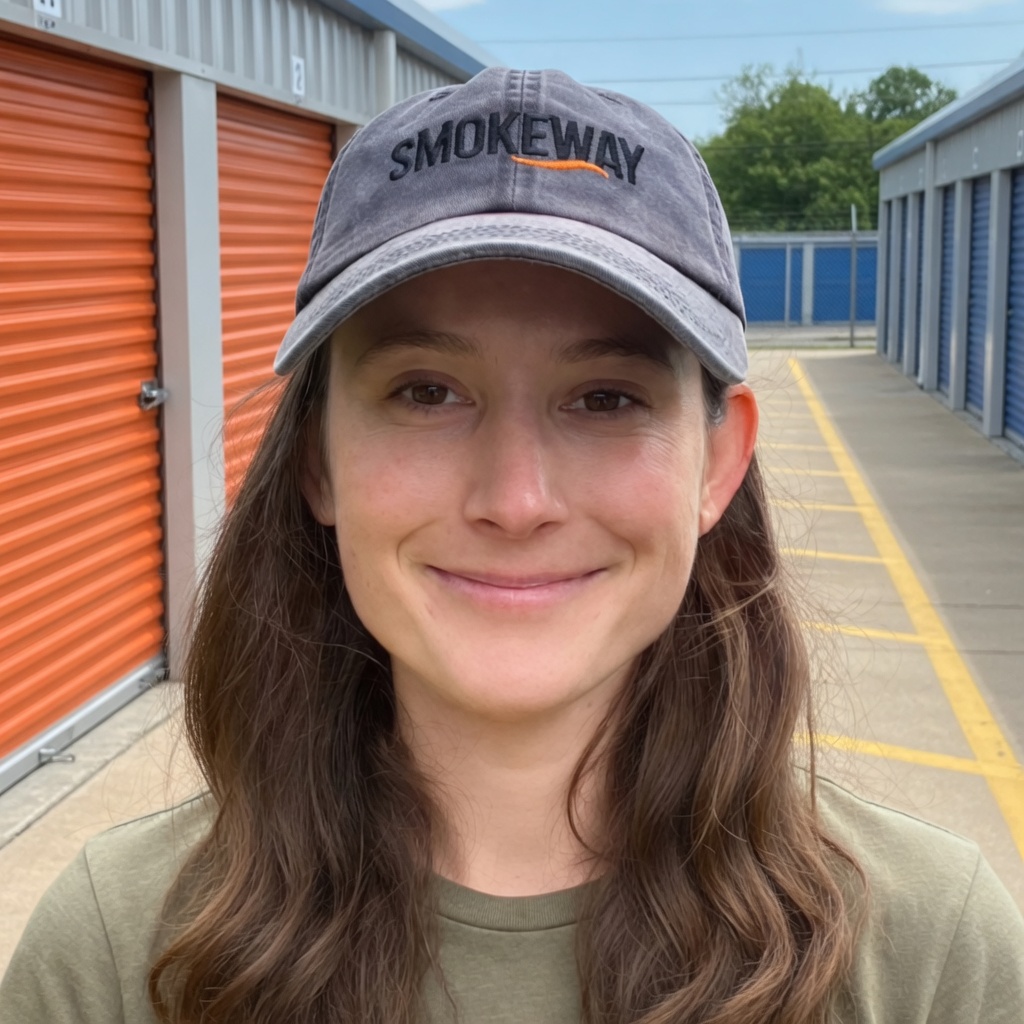
Sandy tracks cigarette pricing, federal and provincial tobacco tax, and the native tobacco trade across all ten provinces, turning the numbers into plain-English buying advice. BCom (Economics), University of Guelph. Last reviewed May 2026.